
Psychedelic Facilitation Training
Nua Silta offers training for people who want to facilitate and accompany psychedelic experiences.
At the centre of the course is learning how to be present and hold space for others. Around that sits a wide body of knowledge, from the substances themselves and how they affect us, to preparation, integration, music, ethics, and the questions that can arise when people experience these states.

WHAT THIS COURSE IS
This course is about holding space for people during psychedelic experiences. You may spend many hours with a person, or a small group, as the experience shifts and unfolds. The work involves staying steady, paying close attention, and learning to respond from a place of attunement rather than impulse.
There are times when very little needs to be said and times when something small can make a real difference.
We do not believe this kind of presence can be manufactured through training. Some people already carry it in the way they are with others. Our work is to help them recognize it, practice it, and deepen it.
THEORY AND PRACTICE
The course combines study and practice. Across the months together, we build an understanding of psychedelic experiences from a number of different perspectives and engage with the many ideas, questions, and areas of knowledge that inform this field. The learning unfolds gradually through reading, conversation, reflection, and shared enquiry.
At the same time, we practice. Some aspects of accompaniment only become visible in direct experience and develop slowly through repetition. Much of the practical work begins close to home, with learning to notice ourselves more clearly and understanding what we bring into the room when we accompany another person.
WHO THIS COURSE IS FOR
This training is intended for people who already have experience of accompanying others through periods of vulnerability, change, illness, growth, or transition. Some come from healthcare or psychology, others from coaching, education, body-based work, pastoral care, or retreat settings. We are interested less in a particular profession than in the quality of attention people bring to others and their willingness to continue learning.
Every application is considered individually. Experience matters, but so do maturity, self-awareness, and the capacity to work well with others.

WHAT YOU WILL EXPLORE

Understanding psychedelic experiences
The substances themselves, how they affect perception, emotion, and the sense of self, and what happens in the brain during altered states of consciousness.
Preparation and integration
The work that comes before an experience and the work that follows it. Building trust, helping people find their footing and intention, and supporting experiences as they settle and continue to unfold over time.
Frameworks for accompaniment
An integral approach that brings together the psychological, the somatic, and the transpersonal. Trauma-informed and body-based approaches, including the nervous system and co-regulation. The relational dimensions of accompaniment, including attachment and parts work.
Ethics and responsibility
Consent, touch, boundaries, power, and the questions that arise when accompanying people through vulnerable and sometimes profound experiences.
Music in psychedelic experiences
Music in facilitation: how it shapes atmosphere, attention, emotion, and movement through an experience.
Practice and facilitation
Cases, scenarios, session design, co-facilitation, and exercises in accompanying and being accompanied. Practical work runs throughout the course, individually and with others, and culminates in an in-person module in the Netherlands, where participants put their learning into practice: they help facilitate a psychedelic session and take part in another themselves.
WHAT YOU WILL LEAVE WITH
A strong grounding in psychedelic facilitation
A deeper understanding of the field through study, discussion, practice, and reflection.
A clearer understanding of yourself
A better sense of your own strengths, patterns, edges, and the areas where experience will continue to shape your practice.
Experience of accompaniment
Direct experience of co-facilitating a psychedelic session, receiving feedback, and being accompanied yourself.
A community of peers
Relationships formed over months of learning together, with people who share a commitment to this work.
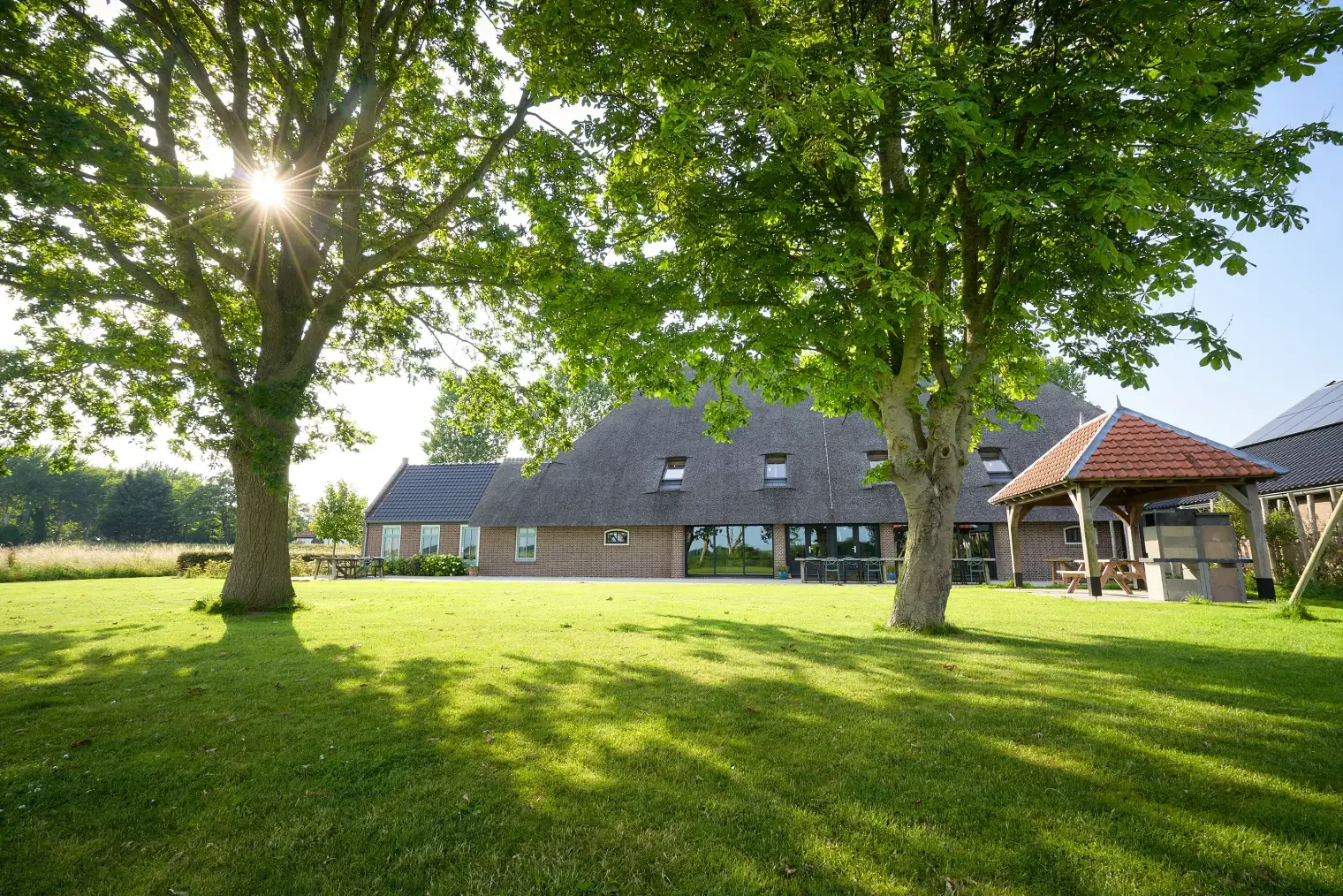
A MULTI-DAY PRACTICE MODULE IN THE NETHERLANDS
The in-person module is where participants bring the different strands of the training together in practice. They take part in preparing and setting up psychedelic sessions, co-facilitating and holding space during them, and supporting what follows afterwards.
Participants also experience the work from the other side by taking part in a legal psilocybin truffle session themselves. Moving between these roles helps participants understand accompaniment through practice as much as through direct experience.
PRACTICAL DETAILS
Format
Ten online sessions and a multi-day in-person practice module in the Netherlands.
Duration
Eight months.
Time commitment
8 to 10 hours per week, plus the multi-day in-person module.
Between sessions
Participants engage with the course materials, complete written and practical assignments, develop their own personal practices, and work regularly in pairs or small groups.
Language
English and French (separate groups).
Facilitators
Pierre Tchaikowski and Elina Viitaniemi.
Certificate
Participants who complete the programme receive a Nua Silta Certificate of Completion.
First cohorts
Spring 2027.
Applications
We are now inviting expressions of interest for the first cohorts: please contact us using the form below.
FREQUENTLY ASKED QUESTIONS
-
Previous experience is not required to join the training. The programme includes direct experience of a legal psilocybin truffle session during the in-person module in the Netherlands, alongside experience of co-facilitating and accompanying others. More important than arriving with prior psychedelic experience is relevant experience of working with people and a willingness to engage fully with the programme.
-
No. We welcome people from a range of professional backgrounds. Most participants will already have experience working with people in roles that involve care, accompaniment, coaching, education, healthcare, body-based work, or related fields.
-
The training provides a strong foundation in the knowledge and practice of psychedelic facilitation, but no single course can prepare someone for every situation they may encounter. Developing as a facilitator is an ongoing process that continues through experience, supervision, and further learning.
-
The programme has been designed with working professionals in mind. Alongside the online sessions, participants should expect to dedicate around 8 to 10 hours each week to reading, assignments, personal practice, and work with other participants, as well as attending the multi-day in-person module in the Netherlands.
-
The programme includes reading, written and practical assignments, personal practice, and regular work in pairs and small groups. This ongoing work is an important part of the training and helps the learning become part of everyday practice.
-
Because how we accompany others is shaped by how we relate to ourselves. Alongside study and practical skills, the programme invites participants to develop their own practices and continue the personal work that underpins good facilitation.
-
Yes. Participants who complete the programme receive a Certificate of Completion from Nua Silta.
INTERESTED?
If you think this training may be right for you, we would be pleased to hear from you. Tell us a little about yourself, your background, and whether you would be interested in joining the English or the French cohort.
We are happy to arrange an informal conversation if you would like to explore whether the training is a good fit.
The first cohort is planned for spring 2027.